


Knowledge Base
Mold Release for Thermoset Materials: Reducing Defects and Improving Yield
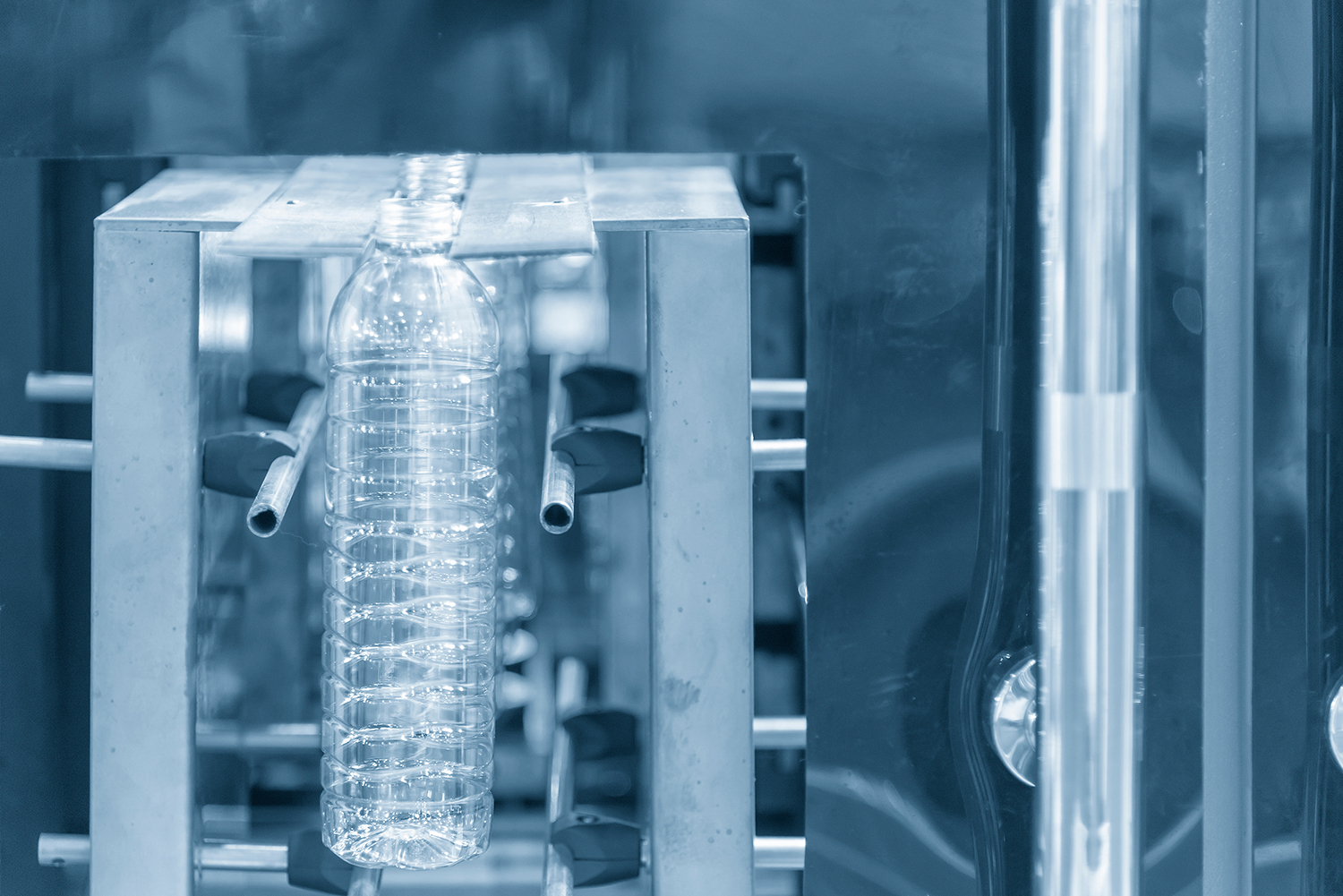
Choosing the right mold release for thermoset applications is one of the most practical steps you can take to reduce defects, protect your tooling, and keep production moving at the pace your operation demands.
Why Thermoset Molding Demands a Purpose-Built Release Agent
Thermoset materials cure through an irreversible chemical reaction. Once set, the material bonds tightly to any surface it contacts, including your mold. If your release agent was not formulated with thermoset chemistry in mind, you are likely seeing the consequences: sticking, tearing, surface defects, and molds that require more frequent cleaning than they should.
Your thermoset mold endures repeated thermal and mechanical stress during every production run. A release agent that cannot handle those conditions accelerates mold wear and increases downtime. The right product creates a consistent barrier between your part and the mold face, run after run, without interrupting your production rhythm.
Release Agent Types: What Works and What to Watch Out For
Not every release agent performs the same way across thermoset applications. Understanding the key chemistries helps you make a more informed decision before a problem shows up on the production floor.
Synthetic Carnauba Wax Formulations
Synthetic carnauba wax is widely used in thermoset release applications because it provides a durable, heat-stable film that resists the curing temperatures common in thermoset processing. Many experienced molders find wax the most effective option for applications that require a clean part surface with low transfer. When applied correctly, a wax-based release holds up across multiple pulls without constant reapplication, which keeps your mold time productive.
Silicone and Oil-Based Options
Silicones or oils offer a different release profile. They tend to be easier to apply and can perform well in certain thermoset scenarios, but they are not always the right call when downstream finishing, bonding, or coating is required. Silicone transfer to the part surface can interfere with adhesion, creating problems in secondary operations. Before committing to a silicone or oil-based release for your thermoset process, consider your full production workflow from demolding through final assembly.
Matching the Right Formulation to Your Material
Every formulation for molded thermoset materials comes with tradeoffs. The chemistry of your resin system, your mold material, your cure temperatures, and your production volumes all factor into which product will deliver the most consistent release performance. A product that works well in one facility may underperform in another if the process conditions are different. This is not a category where a generic selection works reliably.
Injection, Compression, and Transfer Molding: Process Matters
Your molding method plays a direct role in which release solution performs best. Injection, compression, and transfer molding each place different demands on your release agent, and the same product may not deliver equal results across all three.
In injection molding, the release agent needs to withstand high pressures and fast cycle times without breaking down or leaving residue. In compression molding, consistent coverage across the entire mold surface matters most, since the material contacts the tooling differently than in injection. In transfer molding, the release agent must hold up under both transfer pressure and mold cavity heat throughout the run.
If your operation uses more than one of these methods, it is worth working with a supplier who can evaluate release performance across each process rather than defaulting to a single product for everything.
What Defects Are Telling You About Your Release Agent
Sticking, tearing, surface porosity, and part distortion during demolding are not random events. They are signals. If you are consistently seeing defects at the parting line or on the part surface, your current release agent may not be providing the barrier your thermoset mold requires.
Buildup on mold surfaces is another indicator worth paying attention to. When residue accumulates over time, it alters the surface geometry of your tooling, affecting part dimensions and finish quality. A release agent that is ideal for molded thermoset plastics, rubber, and similar materials should reduce buildup rather than contribute to it. If your mold cleaning intervals are increasing, your release agent may be part of the reason.
Improving Yield Starts With the Right Product Match
Better yield is not only about running faster. It is about pulling clean parts, shift after shift, with fewer interruptions and less material going to scrap. When your release agent stops parts from sticking, maximizing your productivity becomes a realistic, measurable outcome. Less time demolding, fewer rejected parts, and reduced mold cleaning cycles translate directly to lower cost per part and higher throughput over time.
At Stoner Molding Solutions, we have spent nearly 80 years helping industrial manufacturers find the right mold release for thermoset processes. We ask the right questions about your resin chemistry, tooling, process conditions, and production goals, and then we help you find the product that fits your operation specifically.
Ready to Find the Release Agent That Fits Your Thermoset Process?
If sticking, defects, or inconsistent release performance are slowing down your thermoset operation, the right product match can make a measurable difference from the first run.
Get a Product Recommendation and let our team help you identify the right mold release for thermoset materials for your specific application and process.
Shop Now
Unlike many mold release brands, Stoner Molding Solutions formulates, manufactures, and distributes our own products. Check out our full line of mold releases, sealers, cleaners, rust preventatives, and lubricants. In stock products are ready to ship now!